
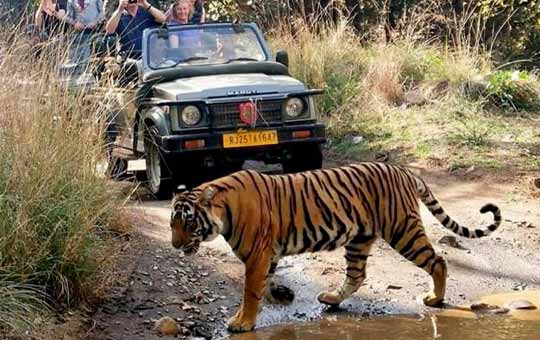
Kumbhalgarh Wildlife Sanctuary is one of Rajasthan’s most fascinating destinations for wildlife lovers, nature enthusiasts, photographers, and adventure travellers. Located in the beautiful Aravalli Hills, the sanctuary spreads across approximately 610 square kilometres, covering parts of Rajsamand, Udaipur, and Pali districts. It surrounds the historic Kumbhalgarh Fort and offers visitors a wonderful combination of forest landscapes, rugged mountains, rich biodiversity, and cultural heritage.
The sanctuary is an excellent destination for travellers who want to explore a different side of Rajasthan beyond its famous palaces, forts, and desert landscapes. Its peaceful surroundings, winding forest routes, rocky hills, and natural habitats create an unforgettable experience for visitors seeking adventure and relaxation in nature.
Wildlife Safari and Forest Adventures

A forest safari is one of the most exciting ways to discover the natural surroundings of Kumbhalgarh Wildlife Sanctuary. Visitors can explore designated routes and rugged landscapes while observing the region’s vegetation, rocky terrain, and wildlife habitats. Depending on the route, available arrangements, and local regulations, visitors may be able to experience a guided jeep safari or other permitted nature activities.
The sanctuary is known for wildlife including leopards, wolves, sloth bears, striped hyenas, golden jackals, jungle cats, sambar deer, nilgai, chinkara, and four-horned antelope. However, wild animals move freely through the forest, so sightings are never guaranteed.
Travelling through the forest provides an opportunity to appreciate the region’s natural environment and learn about the importance of wildlife conservation. Visitors should follow their guide’s instructions, maintain a safe distance from animals, and avoid disturbing the forest.
Nature Trails and Scenic Hiking

Kumbhalgarh is also an attractive destination for travellers interested in walking, trekking, and exploring natural landscapes. The surrounding Aravalli Hills feature rocky ridges, wooded slopes, green valleys during the monsoon season, and impressive viewpoints across the countryside.
Nature trails offer an opportunity to observe native plants, listen to birdsong, photograph landscapes, and experience the quieter side of Rajasthan. Some routes can be physically demanding, so visitors should choose trails according to their fitness level and use authorised routes with local guidance where required.
These outdoor experiences are particularly appealing to families with older children, couples, photographers, and adventure enthusiasts who want to combine wildlife exploration with a scenic holiday.
Birdwatching and Photography
The sanctuary is home to a variety of resident birds and seasonal visitors, making it interesting for birdwatchers and nature photographers. Depending on the season and location, visitors may spot grey junglefowl, peafowl, kingfishers, bulbuls, doves, eagles, and other bird species.
Early morning is often a rewarding time for birdwatching because bird activity can be greater during the cooler hours. A pair of binoculars and a camera with a suitable zoom lens can help visitors observe birds without approaching them too closely.
Photography enthusiasts can also capture the contrast between forest vegetation, dramatic hills, village landscapes, and the historic fort region. Patience and respect for the natural environment are essential for responsible wildlife photography.
Flora, Forests and Natural Biodiversity
Kumbhalgarh Wildlife Sanctuary features dry deciduous forests and vegetation adapted to the semi-arid climate of Rajasthan. Its plant life includes native trees and shrubs, including species of teak, bael, amla, and other plants that support the local ecosystem. The landscape changes throughout the year, from dry, earthy colours in hotter months to greener hills during and after the monsoon.
The forest plays an important role in providing habitat for wildlife, protecting biodiversity, and maintaining the ecological balance of the Aravalli region. Visiting the sanctuary allows travellers to appreciate the relationship between plants, animals, water resources, and local communities.
Visit the Historic Kumbhalgarh Fort

One of the major advantages of visiting Kumbhalgarh is the opportunity to combine nature tourism with a heritage experience. The famous Kumbhalgarh Fort, built during the reign of Rana Kumbha in the 15th century, stands amid the Aravalli Hills and is renowned for its impressive defensive walls and historic architecture.
After exploring the surrounding countryside, visitors can discover the fort’s gates, temples, palaces, and panoramic viewpoints. The combination of wildlife, mountain scenery, and Rajput history makes Kumbhalgarh a distinctive destination within Rajasthan’s tourism circuit.
Best Time to Visit Kumbhalgarh Wildlife Sanctuary
The period from October to March is generally recommended for comfortable weather, sightseeing, nature walks, and outdoor exploration. The winter months offer pleasant daytime conditions, although mornings and evenings can be cool.
- October to March: Pleasant weather for exploring the region, birdwatching, and sightseeing.
- April to June: Warmer conditions; outdoor activities are best planned carefully around the heat.
- July to September: The monsoon can bring greener landscapes, but rain may affect access and trail conditions.
Sanctuary access, safari routes, and activity timings can vary. Confirm current arrangements with the relevant forest authorities or authorised local operators before travelling.
How to Reach Kumbhalgarh Wildlife Sanctuary
Kumbhalgarh is a popular excursion from Udaipur and can also be included in a wider Rajasthan road trip.
- By air: Maharana Pratap Airport in Udaipur is the nearest major airport commonly used by visitors.
- By train: Udaipur and other regional railway stations can serve as arrival points, depending on the chosen route.
- By road: Private cars and taxis connect Kumbhalgarh with Udaipur, Nathdwara, Ranakpur, and other destinations in Rajasthan.
The sanctuary is approximately 65 km from Udaipur by road, although the actual distance and travel time depend on the starting point and route.