
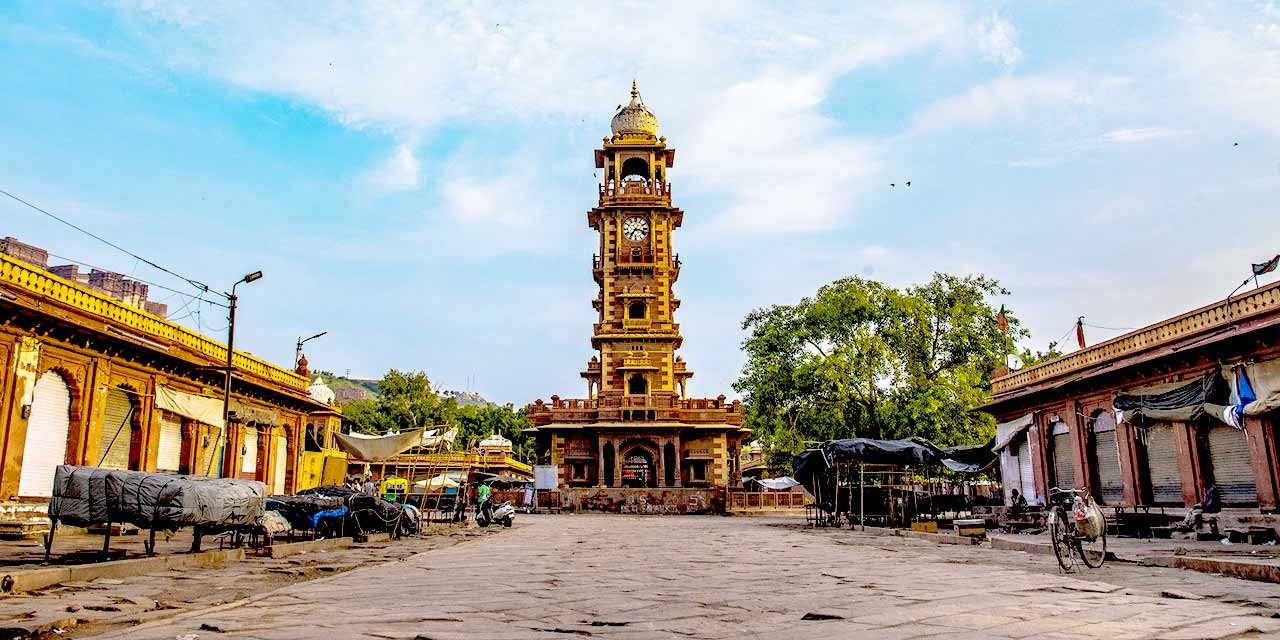
Discover the royal charm of Jodhpur, famously known as the Blue City of Rajasthan. With its magnificent forts, historic palaces, blue-painted houses, bustling markets, and delicious Rajasthani cuisine, Jodhpur offers an unforgettable travel experience. Whether you are visiting Rajasthan for the first time or planning a cultural getaway, a well-planned 2-day Jodhpur itinerary allows you to explore the city’s most iconic attractions, experience its rich heritage, and discover its vibrant local culture.
From the majestic Mehrangarh Fort to the peaceful beauty of Jaswant Thada, every corner of Jodhpur tells a fascinating story of Rajasthan’s royal past.
Day 1: Explore Jodhpur’s Royal Heritage
1. Mehrangarh Fort – Discover the Grandeur of Rajasthan
Start your Jodhpur sightseeing tour with Mehrangarh Fort, one of the city’s most famous landmarks. Perched high above the Blue City, this magnificent fort offers breathtaking panoramic views of Jodhpur’s blue-painted houses and surrounding landscapes.
Explore its grand courtyards, historic palaces, intricate carvings, and fascinating museum collections that showcase the royal heritage of the Rathore dynasty. The fort is an excellent place to learn about Jodhpur’s history while capturing memorable photographs.
Travel tip: Arrive early in the morning to enjoy the views comfortably and explore the fort at a relaxed pace.
2. Jaswant Thada – A Peaceful Marble Memorial
After visiting Mehrangarh Fort, head to Jaswant Thada, a beautiful white-marble cenotaph built in memory of Maharaja Jaswant Singh II. Surrounded by landscaped gardens and overlooking a scenic lake, this peaceful monument offers a refreshing contrast to the grandeur of the fort.
Admire the delicate marble carvings, elegant architecture, and tranquil surroundings while learning more about Jodhpur’s royal history.
3. Umaid Bhawan Palace – Experience Royal Elegance
Continue your journey to Umaid Bhawan Palace, one of Jodhpur’s most impressive architectural landmarks. Built during the reign of Maharaja Umaid Singh, the palace is renowned for its grand design, golden sandstone architecture, and beautiful gardens.
Part of the palace operates as a luxury hotel, while another section houses a museum displaying royal memorabilia, vintage items, and historical exhibits. Visitors can explore the publicly accessible areas to appreciate the palace’s remarkable architecture and royal heritage.
4. Explore the Blue Streets of Jodhpur
In the afternoon, take a leisurely walk through the historic lanes of the Blue City. The neighbourhood around Navchokiya and the old quarters near Mehrangarh Fort is known for its blue-painted houses, traditional architecture, and charming streets.
Discover hidden corners, interact with local residents respectfully, and capture photographs of the distinctive blue buildings. Exploring these neighbourhoods on foot is one of the best ways to experience the everyday life and cultural charm of Jodhpur.
Remember that these are residential areas, so respect people’s privacy when taking photographs.
5. Evening at Toorji Ka Jhalra
As the day winds down, visit Toorji Ka Jhalra, a historic stepwell known for its symmetrical steps and traditional architectural design. This restored landmark offers a glimpse into the water conservation systems that once played an important role in Rajasthan’s desert communities.
The surrounding area is also a pleasant place to explore local cafés, small shops, and heritage streets.
Finish your first day with a traditional Rajasthani dinner featuring local favourites such as dal baati churma, ker sangri, and gatte ki sabzi.
Day 2: Discover Local Culture, Markets and Hidden Gems
1. Mandore Gardens – Explore Jodhpur’s Historical Roots
Begin your second day with a visit to Mandore Gardens, a historic complex located outside the main city centre. The gardens feature impressive cenotaphs, architectural monuments, landscaped areas, and historical structures associated with the former rulers of Marwar.
The distinctive architecture and peaceful surroundings make Mandore Gardens an excellent destination for history enthusiasts and photography lovers.
2. Rao Jodha Desert Rock Park – Experience the Natural Side of Jodhpur
Next, visit Rao Jodha Desert Rock Park, situated near Mehrangarh Fort. This ecological restoration area showcases the natural rocky landscape and desert vegetation of the region.
Follow the walking trails to discover native plant species, unusual rock formations, and beautiful views of the fort and surrounding terrain. It is an ideal stop for nature lovers who want to experience a different side of Jodhpur beyond its palaces and monuments.
Wear comfortable walking shoes and carry drinking water, particularly during warmer months.
3. Sardar Market and Clock Tower – Enjoy Local Shopping
No trip to Jodhpur is complete without exploring the lively markets around the Clock Tower and Sardar Market.
Browse colourful stalls selling traditional textiles, handicrafts, spices, jewellery, leather products, antiques, and souvenirs. The bustling atmosphere provides an opportunity to experience the city’s local trading culture and discover traditional Rajasthani craftsmanship.
You can also sample popular Jodhpur snacks, including mirchi bada and pyaaz kachori, from local food shops.
Shopping tip: Compare prices at different shops and politely bargain where appropriate.
4. Experience Authentic Rajasthani Cuisine
Make time for a traditional Rajasthani lunch before continuing your sightseeing. Jodhpur is famous for its rich culinary traditions, offering a variety of savoury snacks, sweets, and regional specialities.
Some must-try dishes include:
- Mirchi Bada: A popular snack made with large green chillies stuffed with a spiced filling and coated in batter.
- Pyaaz Kachori: A crispy pastry filled with seasoned onions and spices.
- Mawa Kachori: A traditional sweet pastry associated with Jodhpur.
- Dal Baati Churma: A classic Rajasthani meal combining baked wheat balls, lentils, and sweetened crushed wheat.
- Ker Sangri: A traditional desert dish prepared with indigenous berries and beans.
Enjoying the local cuisine is a wonderful way to connect with Jodhpur’s culture and traditions.
5. Enjoy a Relaxing Evening in the Blue City
Spend your final evening revisiting your favourite part of Jodhpur or exploring a heritage café with views of Mehrangarh Fort. Depending on your interests, you can shop for last-minute souvenirs, take photographs of the historic streets, or enjoy a relaxed meal featuring regional specialities.
If time permits, consider visiting a cultural venue offering traditional Rajasthani music, folk performances, or local art. Check current timings and availability before making plans.
End your two-day journey with beautiful memories of Jodhpur’s royal architecture, colourful streets, welcoming culture, and delicious food.
Best Time to Visit Jodhpur
The best time to explore Jodhpur is generally from October to March, when the weather is more comfortable for sightseeing and outdoor activities.
Winter mornings and evenings are particularly pleasant for exploring forts, markets, and historic neighbourhoods. Summers can be extremely hot, so visitors travelling between April and June should plan outdoor sightseeing early in the morning or later in the evening.
How to Reach Jodhpur
Jodhpur is well connected to major Indian cities by air, rail, and road.
- By Air: Jodhpur Airport serves the city, with flight availability depending on the route and season.
- By Train: Jodhpur Railway Station connects the city with several major destinations across India.
- By Road: Jodhpur is accessible by road from Jaipur, Udaipur, Jaisalmer, and other destinations in Rajasthan.
For convenient sightseeing, travellers can arrange a private cab or local taxi to visit attractions across the city.