
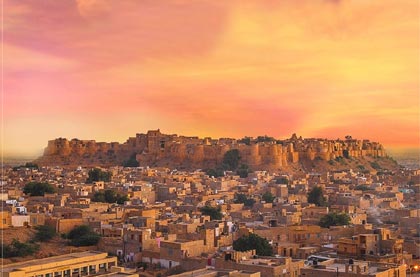
Rajasthan is home to some of the most iconic heritage sites in the world, but the “Pink City” and the “Golden City” can often feel overwhelming due to crowds and high-pressure sales.
Here is a guide on how to navigate the must-see landmarks while finding the quiet, authentic corners of the state.
What to See: The “Can’t-Miss” Icons
- Amer Fort (Jaipur): The sheer scale of this hilltop fort is undeniable. To see it differently, head to the “Great Wall of Amer” (the ramparts opposite the fort entrance) at sunrise for a view that rivals any in Asia without the crowds.
- Mehrangarh Fort (Jodhpur): Often cited as the best-maintained fort in India. The museum inside is world-class, and the view of the “Blue City” from the cannon ramparts is essential.
- Lake Pichola (Udaipur): A boat ride at sunset is the quintessential Udaipur experience. It provides the best vantage point for the City Palace and the Lake Palace.
- Jaisalmer Fort: Unlike other forts, this is a “living fort” where people still reside. Wander the narrow winding alleys, but try to visit Khuri nearby for a quieter, more authentic desert experience than the popular Sam Sand Dunes.
The Hidden Gems: Skip the Crowds
- Bundi: Often called “Little Jaipur,” this town is famous for its intricate stepwells (baoris) and blue houses but sees a fraction of the tourists. The murals in the Bundi Palace are among the finest in Rajasthan.
- Kumbhalgarh Fort: Located two hours from Udaipur, it features the second-longest continuous wall in the world. It is much more rugged and peaceful than the urban forts.
- Ranakpur Jain Temple: A marble marvel with over 1,400 uniquely carved pillars. It is a quiet, spiritual stop nestled in the Aravalli hills.
- Abhaneri (Chand Baori): One of the largest and deepest stepwells in India. It is a geometric masterpiece located off the road between Jaipur and Agra.
What to Skip (or Approach with Caution)
- Sam Sand Dunes (Jaisalmer): During peak season, this area can feel like a crowded parking lot with loud music and hundreds of camels. For a serene desert night, look for camps in Khuri or private dunes offered by smaller boutiques.
- Chokhi Dhani (Jaipur): While a popular “cultural village” experience, it can feel highly commercialized and artificial. For a more authentic feel, consider a village walk in the Aravalli hills or a visit to Sanganer to see traditional block printing.
- Pushkar during “Puja” Scams: Pushkar is beautiful and spiritual, but be wary of “priests” at the Brahma Temple or the Ghats who offer a “free” blessing only to demand significant donations afterward. It is best to politely decline unsolicited religious offers.
- High-Commission Gem Shops: If a driver or guide is very insistent on taking you to a specific jewelry or textile “factory” for a “special government price,” it is likely a commission trap. Seek out established, reputable shops in the old city bazaars like Johari Bazaar instead.
Practical Strategy for 2026
- Timing: Mid-November to February offers the best weather (10°C–27°C). If you visit in March, prepare for the heat but enjoy festivals like Holi.
- Logistics: Distances between cities (e.g., Jaipur to Udaipur) are long. Hiring a private driver is often more efficient than public transport for reaching offbeat spots like Kumbhalgarh or Ranakpur.
- Hydration: Stick to bottled or filtered water and avoid raw street foods in your first few days to allow your system to adjust to the local spices.