
Jaipur, the capital of Rajasthan, is one of India’s most fascinating destinations for travellers interested in royal heritage, architecture, culture, shopping and traditional experiences. Known as the Pink City, Jaipur combines magnificent forts, elegant palaces, historic temples, colourful bazaars and lively streets. Founded in 1727 by Maharaja Sawai Jai Singh II, the city offers a remarkable introduction to Rajasthan’s royal history and cultural traditions.
A visit to Jaipur can be enjoyed as part of a Golden Triangle journey with Delhi and Agra, or as a longer Rajasthan tour including destinations such as Jodhpur, Jaisalmer, Udaipur, Pushkar and Ranthambore. From the imposing walls of Amber Fort to the detailed architecture of the City Palace, every part of Jaipur reveals a different aspect of the city’s heritage.
Amber Fort – A Magnificent Royal Landmark
Amber Fort, also known as Amer Fort, is one of Jaipur’s most important attractions. Located on a hill overlooking the surrounding landscape, the fort is famous for its grand gateways, courtyards, palaces and decorative architecture.
Built using sandstone and marble, Amber Fort reflects a combination of Rajput and Mughal architectural influences. Visitors can explore the Diwan-i-Aam, Ganesh Pol, Sheesh Mahal and several historic courtyards while learning about the royal families who once lived here.
The panoramic views from the fort are another highlight. The surrounding Aravalli hills, historic walls and Maota Lake create a memorable setting for photography and sightseeing.
City Palace – Experience Jaipur’s Royal Heritage
Situated in the heart of the old city, the City Palace is an important part of Jaipur’s cultural and architectural identity. The palace complex includes courtyards, gardens, decorated gateways and historic buildings.
The architecture combines Rajput, Mughal and European influences, reflecting the changing history of Jaipur’s royal court. Inside, visitors can see traditional costumes, royal manuscripts, weapons, paintings and other objects associated with Rajasthan’s princely heritage.
The beautifully decorated gateways and palace courtyards are particularly attractive for visitors interested in architecture and photography.
Hawa Mahal – The Iconic Palace of Jaipur
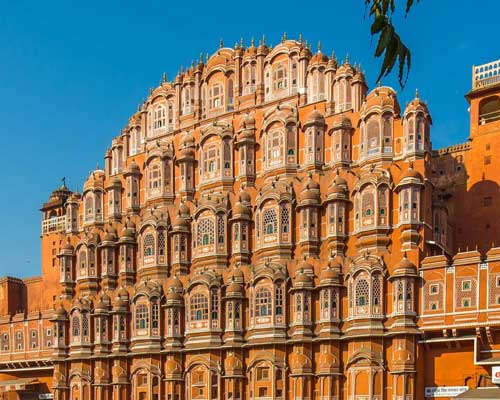
Hawa Mahal is perhaps the most recognisable landmark of Jaipur. Its distinctive five-storey façade features numerous small windows and ornate architectural details.
The palace was designed to allow royal women to observe everyday life and processions in the streets without being easily seen from outside. Today, Hawa Mahal is one of the most photographed attractions in the city.
The best way to appreciate the building is to explore the surrounding old-city streets and viewpoints, where its pink façade can be seen from different angles.
Jantar Mantar – Astronomy and Science
Jaipur is also home to Jantar Mantar, a historic astronomical observatory built by Sawai Jai Singh II. The site contains a collection of large astronomical instruments designed to measure time, observe celestial positions and study astronomical phenomena.
Its enormous geometric structures demonstrate the scientific knowledge and architectural vision of the period. Jantar Mantar is particularly interesting because it shows that Jaipur’s heritage extends beyond palaces and forts to include astronomy, mathematics and scientific innovation.
Jal Mahal – Palace on the Water
Jal Mahal is located in the middle of Man Sagar Lake and creates one of Jaipur’s most beautiful views. The palace appears to float on the water, with the surrounding Aravalli hills providing a scenic backdrop.
Although access to the palace itself is restricted, visitors can stop along the lakeside road to admire the architecture and take photographs. Sunset and early morning can provide especially attractive views of the monument and lake.
Nahargarh Fort – Views Across Jaipur
Nahargarh Fort stands on the Aravalli hills above Jaipur and is well known for its elevated views over the city. The fort was built as part of Jaipur’s historic defensive system and later became associated with royal retreats.
Walking through its historic rooms and corridors provides a glimpse into Rajasthan’s royal past, while the viewpoint offers an impressive perspective over the expanding Pink City.
Nahargarh is also a popular place to visit toward the end of the day when the city begins to light up beneath the hills.
Jaigarh Fort – The Fort of Military Heritage
Jaigarh Fort is another major attraction located in the hills around Jaipur. Unlike the decorative character of some palace complexes, Jaigarh is particularly associated with military architecture and defence.
The fort features massive walls, gateways, watchtowers, reservoirs and historic structures. It is also famous for the Jaivana cannon, traditionally associated with the fort’s military history.
A visit to Jaigarh can easily be combined with Amber Fort because of their close geographical relationship.
Jaipur Old City and Traditional Markets
Jaipur’s attractions are not limited to monuments. The historic streets of the Pink City offer an opportunity to experience everyday life, traditional crafts and local shopping.
Markets such as Johari Bazaar, Bapu Bazaar and Tripolia Bazaar are known for jewellery, textiles, handicrafts, traditional clothing, footwear and souvenirs. Visitors can explore colourful shops, observe artisans and discover products associated with Rajasthan’s long craft traditions.
Jaipur is particularly known for gemstones, block-printed textiles, blue pottery, lac bangles and traditional handicrafts.
For travellers who enjoy photography, the old city provides countless scenes of decorated shopfronts, historic architecture, colourful markets and local activity.
Albert Hall Museum – Art and Culture
The Albert Hall Museum is one of Jaipur’s prominent cultural attractions. Located in the Ram Niwas Garden area, the museum is housed in an impressive Indo-Saracenic building.
Its collections include artworks, decorative objects, textiles, sculptures and historical artefacts. The museum provides additional context for understanding Rajasthan’s artistic traditions and cultural history.
The building itself is also worth seeing, particularly for visitors interested in historic architecture.
Birla Mandir – A Peaceful Architectural Landmark
Birla Mandir, also known as Lakshmi Narayan Temple, is situated near Moti Dungari Hill. Built in white marble, the temple is known for its elegant architecture, detailed carvings and peaceful surroundings.
The temple is particularly attractive in the evening when it is illuminated. Visitors interested in Jaipur’s religious architecture can include it alongside the city’s forts and palaces.
Jaipur’s Food and Cultural Experiences
Exploring Jaipur also means discovering Rajasthan’s traditional cuisine. Local restaurants and food markets offer dishes such as dal baati churma, gatte ki sabzi, ker sangri, bajra roti and traditional sweets.
Travellers can combine sightseeing with a local food experience, cooking class or cultural evening to gain a broader understanding of Rajasthani traditions.
Traditional music, folk performances and handicraft demonstrations can also add a cultural dimension to a Jaipur holiday.
Best Way to Explore Jaipur Attractions
Jaipur is relatively easy to explore with a well-planned sightseeing programme. A full day can cover major attractions such as Amber Fort, Jal Mahal, City Palace, Jantar Mantar and Hawa Mahal, while an additional day allows more relaxed exploration of Nahargarh Fort, Jaigarh Fort, museums, temples and traditional markets.
For travellers visiting Jaipur as part of a Rajasthan tour, the city can be connected conveniently with destinations such as Pushkar, Ajmer, Ranthambore, Jodhpur and Udaipur.
A private car with a local driver can be useful for visiting attractions located around the city and hills, while walking tours are particularly enjoyable in the old city and market areas.
When to Visit Jaipur
The cooler months from approximately October to March are generally popular for sightseeing in Jaipur. During this period, daytime conditions are usually more comfortable for exploring forts, markets and outdoor monuments.
The summer months can be considerably hotter, so travellers planning sightseeing during this period may prefer starting outdoor activities early in the morning and scheduling indoor attractions during the warmer part of the day.
Festivals and cultural events can also bring additional colour to the city, making Jaipur an attractive destination for travellers interested in experiencing Rajasthan beyond its monuments.