
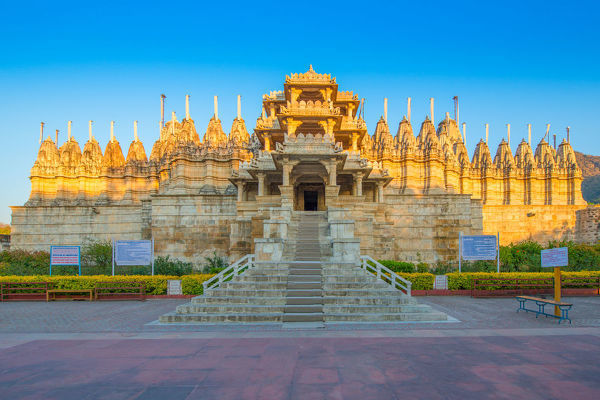
Ranakpur Jain Temple is one of the most magnificent architectural treasures of Rajasthan, renowned for its breathtaking white marble carvings, intricate pillars, and peaceful spiritual atmosphere. Nestled in the beautiful Aravalli Hills in the Pali district of Rajasthan, this historic temple attracts pilgrims, history enthusiasts, architecture lovers, and travelers from across India and around the world. Dating back to the 15th century, Ranakpur Jain Temple is dedicated to Lord Adinath, the first Tirthankara of Jainism, and is considered one of the most important Jain pilgrimage destinations in the country.
Surrounded by scenic hills and lush natural landscapes, the temple offers a unique combination of spirituality, history, art, and architectural excellence. Its extraordinary marble craftsmanship, beautifully carved ceilings, elegant domes, and countless pillars make it one of the most remarkable heritage attractions in Rajasthan. Whether you are exploring Rajasthan’s cultural heritage or planning a spiritual journey, a visit to Ranakpur Jain Temple promises an unforgettable experience.
History of Ranakpur Jain Temple
The history of Ranakpur Jain Temple dates back to the 15th century, during the reign of Rana Kumbha, the famous ruler of Mewar. The temple was commissioned by a wealthy Jain merchant named Dharna Shah, who dreamed of building a magnificent temple dedicated to Lord Adinath. With the support and patronage of Rana Kumbha, he brought his vision to life in the peaceful surroundings of the Aravalli Hills.
According to local legend, Dharna Shah was inspired by a divine vision of a celestial structure and wished to recreate it through extraordinary architecture. He sought the assistance of skilled artisans and sculptors to transform his dream into reality. The resulting temple became a masterpiece of medieval Indian craftsmanship, reflecting the devotion, creativity, and technical excellence of the artisans who worked on it.
The temple complex was developed over several decades and eventually became one of the most celebrated Jain religious sites in India. Its name is associated with Rana Kumbha, whose support played an important role in the establishment of the temple and the surrounding settlement. Today, Ranakpur Jain Temple stands as a lasting symbol of Jain faith, royal patronage, and Rajasthan’s rich cultural heritage.
Architectural Beauty of Ranakpur Jain Temple
The architectural beauty of Ranakpur Jain Temple is truly extraordinary. Built primarily from light-coloured marble, the temple showcases an impressive combination of intricate carvings, symmetrical design, majestic domes, and beautifully decorated ceilings. Every section of the structure reflects the exceptional skill and patience of the craftsmen who created it.
The temple is particularly famous for its remarkable pillars, each featuring distinctive carvings and decorative patterns. Delicate floral designs, geometric shapes, mythological figures, and artistic motifs cover the pillars, walls, and ceilings. The natural light entering through the temple’s openings enhances the beauty of the marble surfaces, creating a serene and captivating atmosphere.
The impressive halls, elegant arches, and carefully designed corridors demonstrate the architectural brilliance of the period. Despite its elaborate decoration and enormous size, the temple maintains a sense of harmony and tranquillity. Its design allows visitors to appreciate the craftsmanship from different angles, making every walk through the complex a fascinating journey into India’s architectural history.
The Famous 1,444 Marble Pillars
One of the most fascinating features of Ranakpur Jain Temple is its collection of approximately 1,444 intricately carved marble pillars. These pillars support the temple’s vast halls and domes while adding extraordinary artistic beauty to the interior. What makes them particularly remarkable is the traditional claim that no two pillars have exactly the same design.
Each pillar displays unique patterns, delicate carvings, and decorative details that reflect the creativity of the artisans. Some feature floral motifs and geometric designs, while others showcase elaborate sculptural work. The arrangement of the pillars creates an impressive visual effect, with rows of marble columns extending throughout the temple halls.
Visitors are often amazed by the sheer number of pillars and the precision of their craftsmanship. Beyond their structural importance, these pillars represent the artistic excellence and dedication that transformed Ranakpur Jain Temple into one of India’s most celebrated marble monuments.
Chaumukha Temple – The Main Shrine
The Chaumukha Temple is the principal shrine within the Ranakpur Jain Temple complex and is dedicated to Lord Adinath, also known as Rishabhanatha, the first Tirthankara of Jainism. The name Chaumukha means four-faced, referring to the four-faced representation of the deity within the shrine.
The temple’s distinctive design features entrances and architectural elements arranged to create a sense of openness in four directions. This arrangement is associated with the Jain spiritual ideal of making the teachings of the Tirthankaras accessible to all. The central shrine is surrounded by beautifully decorated halls, carved pillars, and elegant domes.
The interior is particularly impressive for its detailed marble sculptures, ornamental ceilings, and harmonious architectural layout. For devotees, the shrine is an important place of worship and reflection, while for visitors, it offers an opportunity to appreciate the religious symbolism and artistic traditions of Jain architecture.
Beautiful Domes, Ceilings, and Marble Carvings
The ceilings and domes of Ranakpur Jain Temple are among its most impressive architectural features. They are decorated with intricate geometric patterns, floral designs, ornamental borders, and sculptural details that demonstrate remarkable craftsmanship.
Some of the carvings depict celestial figures and musicians, adding movement and elegance to the otherwise solid marble structure. The decorated ceilings draw the eye upward, while the arches and domes create a sense of depth and grandeur throughout the temple.
The walls and corridors also display finely detailed sculptures and ornamental motifs. Each section reveals a different aspect of the artisans’ creativity, encouraging visitors to take their time and appreciate the smaller details. The combination of light-coloured marble, intricate decoration, and natural light makes the temple a remarkable destination for architecture enthusiasts and cultural travelers.
Religious and Spiritual Significance
Ranakpur Jain Temple holds immense religious significance for the Jain community. Dedicated to Lord Adinath, it represents the spiritual values of Jainism, including non-violence, truth, self-discipline, compassion, and respect for all living beings.
The temple provides a peaceful environment for prayer, meditation, and contemplation. Its serene surroundings and beautifully designed interiors encourage visitors to slow down and appreciate the spiritual atmosphere. For Jain pilgrims, the temple is an important destination where religious devotion and centuries-old traditions come together.
Even visitors who are not travelling for religious reasons can appreciate the temple’s sense of tranquillity and the values reflected in its design. Its enduring appeal lies in the way it combines spiritual meaning with extraordinary artistic achievement.
Other Temples Within the Ranakpur Complex
In addition to the main Chaumukha Temple, the Ranakpur temple complex includes several other important shrines that enrich the visitor experience.
The Parshvanath Temple is admired for its intricate stone carvings and distinctive architectural details. The Neminath Temple is another important shrine associated with Jain religious traditions. The complex also includes the Sun Temple, which is known for its finely carved stonework, and the nearby Amba Mata Temple, which attracts devotees and visitors.
Exploring these temples provides a broader understanding of the region’s religious traditions, artistic heritage, and historical importance. Each shrine has its own architectural character, making the entire area an appealing destination for those interested in history, spirituality, and traditional Indian craftsmanship.
Location of Ranakpur Jain Temple
Ranakpur Jain Temple is located in Ranakpur village in the Pali district of Rajasthan, amid the scenic landscape of the Aravalli mountain range. Its peaceful setting, surrounded by hills and natural greenery, creates a beautiful contrast with the busy cities and desert landscapes for which Rajasthan is famous.
The temple lies approximately 90–95 kilometres from Udaipur by road, although the exact distance and journey time depend on the route. It is also a popular stop for travelers exploring the region between Udaipur, Jodhpur, and Kumbhalgarh.
Thanks to its location, Ranakpur Jain Temple can easily be included in a Rajasthan heritage tour. Travelers can combine a visit to the temple with nearby forts, traditional villages, scenic countryside, and other cultural attractions to experience a different side of Rajasthan.
Best Time to Visit Ranakpur Jain Temple
The best time to visit Ranakpur Jain Temple is generally from October to March, when the weather in Rajasthan is more comfortable for sightseeing and outdoor travel. During these months, visitors can explore the temple complex and enjoy the surrounding Aravalli landscape without the intense heat of summer.
The winter season is particularly suitable for travelers planning a day trip from Udaipur or combining Ranakpur with Kumbhalgarh Fort and other nearby attractions. The monsoon season can also bring greenery to the surrounding hills, creating a pleasant natural setting, although occasional rainfall may affect road travel.
It is advisable to check the temple’s current visiting hours and visitor guidelines before departure, as tourist access and worship schedules may differ.
How to Reach Ranakpur Jain Temple
Ranakpur Jain Temple is accessible by road from several major destinations in Rajasthan.
By Air: The nearest major airport is Maharana Pratap Airport in Udaipur. From the airport, travelers can hire a private taxi or arrange a transfer to Ranakpur.
By Train: Falna Railway Station is one of the convenient railheads for reaching Ranakpur. From the station, visitors can continue their journey by taxi or local road transport.
By Road: Ranakpur is connected by road to Udaipur, Jodhpur, Kumbhalgarh, and other destinations in Rajasthan. Private taxis and customized sightseeing tours are convenient options for visitors who want flexibility during their journey.
For a comfortable experience, travelers can arrange a private vehicle with an experienced driver, particularly when visiting several attractions in a single day.
Nearby Tourist Attractions
A visit to Ranakpur Jain Temple can be combined with several other attractions in the region.
Kumbhalgarh Fort: Famous for its massive defensive walls and historic architecture, Kumbhalgarh Fort is one of Rajasthan’s most impressive heritage destinations. It is an excellent addition to a cultural sightseeing itinerary.
Udaipur: Known as the City of Lakes, Udaipur offers beautiful lakes, grand palaces, historic temples, and scenic viewpoints. It is a popular base for travelers exploring Ranakpur.
Jodhpur: The Blue City is renowned for Mehrangarh Fort, traditional markets, blue-painted houses, and the rich heritage of the former Marwar kingdom.
Mount Abu: Rajasthan’s famous hill station offers pleasant mountain scenery, Nakki Lake, viewpoints, and the celebrated Dilwara Jain Temples.
Local Aravalli Countryside: The region surrounding Ranakpur offers opportunities to enjoy scenic drives, rural landscapes, traditional villages, and the natural beauty of the Aravalli Hills.
Combining these destinations can turn a temple visit into a memorable Rajasthan heritage and cultural journey.
Travel Tips for Visiting Ranakpur Jain Temple
To make your visit comfortable and enjoyable, keep a few practical tips in mind.
- Wear modest clothing that respects the religious character of the temple.
- Follow the temple’s rules regarding footwear, photography, and visitor access.
- Check the latest visiting hours before planning your trip.
- Allow approximately one to two hours or more to explore the temple, depending on your interest in its architecture and carvings.
- Carry drinking water and sun protection, particularly during warmer months.
- Respect the peaceful atmosphere and avoid disturbing people engaged in prayer.
- Consider hiring a knowledgeable local guide if you would like to learn more about the temple’s history, architectural details, and religious symbolism.
- If you plan to visit Kumbhalgarh Fort on the same day, start early and allow sufficient time for road travel and sightseeing.
Why Visit Ranakpur Jain Temple?
Ranakpur Jain Temple is much more than a religious monument. It is a remarkable expression of faith, artistry, history, and architectural innovation. Its extraordinary marble pillars, elaborate ceilings, elegant domes, and tranquil surroundings make it one of the most memorable places to visit in Rajasthan.
For history enthusiasts, the temple offers a glimpse into the artistic achievements of medieval India. For architecture lovers, it provides an opportunity to admire exceptional stone craftsmanship. For spiritual travelers, it offers a peaceful setting for reflection and a deeper appreciation of Jain traditions.
Its location in the Aravalli Hills also makes it an attractive stop for travelers exploring the cultural and natural beauty of Rajasthan. Whether you are planning a family holiday, a heritage tour, a photography trip, or a spiritual journey, Ranakpur Jain Temple deserves a place on your itinerary.