
The Unseen Horizon: A Journey Through Rajasthan’s Rural Heart
While the majestic forts of Jaipur and the shimmering lakes of Udaipur command the global spotlight, the true essence of Rajasthan—the “Land of Kings”—is found in its dust-blown paths and quiet village squares. Beyond the red carpets of luxury heritage hotels lies a landscape of raw beauty and profound simplicity. Rural Rajasthan offers a travel experience that is less about “sightseeing” and more about “soul-seeking,” where the ancient code of hospitality, “Atithi Devo Bhava,” is not a slogan, but a way of life.
The Landscape of Tradition
The rural destinations of Rajasthan are defined by their geography. In the west, the Thar Desert dictates a nomadic rhythm of life, where water is sacred and the camel is king. In the south and east, the rugged Aravalli Range—one of the oldest mountain systems in the world—shelters tribal communities and lush valley farms.
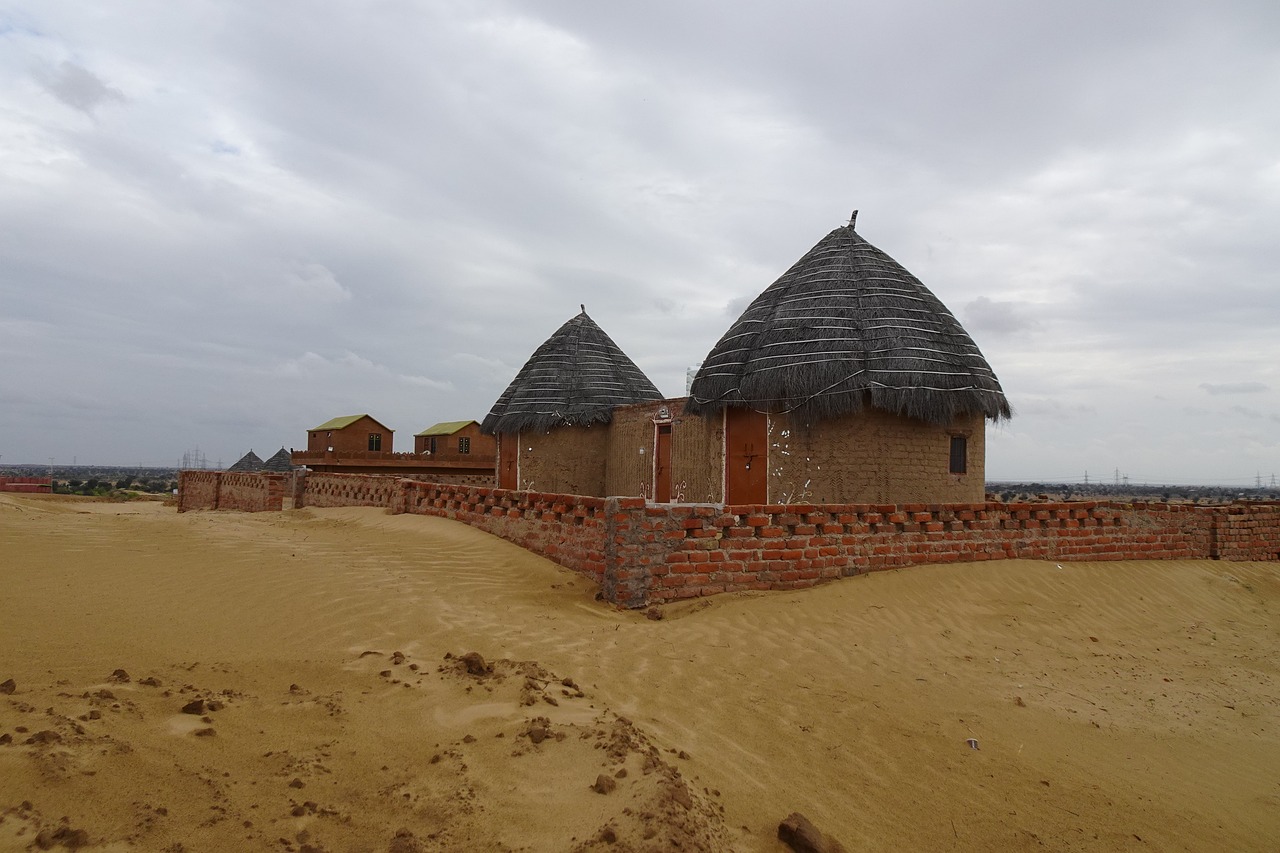
Traveling through these regions, one notices a shift in the palette of daily life. The vibrant turbans (pagris) of the men and the neon-bright veils (odhis) of the women serve as a visual defiance against the monochromatic desert sands. Architecture here is functional yet artistic; mud houses are adorned with Mandana paintings, and every village well is a social hub where history is whispered in the clinking of brass pots.
Key Rural Destinations for the Authentic Traveler
To truly understand the heartbeat of the state, one must venture into the specific enclaves that have preserved their character despite the encroaching modern world.
1. Bijaipur: The Valley of the Horsemen
Located in the Vindhyachal Ranges near Chittorgarh, Bijaipur is a lush contrast to the typical image of arid Rajasthan. The village is surrounded by forests and lakes, making it a haven for birdwatchers and nature lovers. The local Thakur (lord) often hosts travelers in his ancestral castle, offering a unique blend of rural life and Rajput chivalry. Here, you can take horseback safaris through the countryside, visiting nearby tribal hamlets of the Bhil and Meena communities.
2. Jawai: Where Leopards and Humans Coexist
In the Pali district lies Jawai, a destination that challenges the conventional boundaries of wildlife tourism. The landscape is dominated by prehistoric granite boulders. Remarkably, this is one of the few places on Earth where leopards live in complete harmony with the local Rabari shepherds. The Rabaris, recognizable by their striking red turbans and white tunics, believe the leopards are guardians of their local temples. A visit here offers a surreal look at spiritual ecology and the peaceful coexistence of man and predator.
3. Khejarla: The Fortress of the Sands
Deep in the desert plains near Jodhpur, Khejarla offers a quintessential rural experience. The village is centered around a massive 400-year-old sandstone fort. Beyond the fort walls, the village is a maze of artisan workshops. You can watch weavers create durable durries (rugs) and potters spinning clay on traditional wheels. The pace here is dictated by the sun; mornings are for the bustling village market, and evenings are for folk songs shared over a communal fire.
4. Dundlod: The Open-Air Art Gallery
In the Shekhawati region, Dundlod serves as a gateway to the famous painted “Havelis” of rural Rajasthan. While the buildings themselves are architectural marvels, the surrounding village life remains authentically agrarian. It is a world of fine-bred Marwari horses and farmers tending to mustard fields. The frescoes on the walls tell stories of British steam engines, mythological gods, and local legends, providing a colorful backdrop to the daily grind of village life.
Immersive Experiences: More Than Just a Visit
The beauty of a rural destination is found in the participation. Travelers are often invited to join in the daily chores that sustain these communities.
- Culinary Traditions: Forget the refined curries of city restaurants. Rural Rajasthan offers Ker Sangri (desert beans and berries), Bajra Ki Roti (pearl millet bread) cooked on a clay chulha, and spicy garlic chutney. These meals are a lesson in resourcefulness and nutrition.
- Artisanal Heritage: Many villages are dedicated to a single craft. In Bagru, you can see the rhythmic thumping of wooden blocks as artisans print textiles using natural dyes. In Molela, the ancient art of terracotta plaque making is still practiced, turning river mud into divine idols.
- The Village ‘Chaupal’: The central gathering place, usually under a large Banyan tree, is where the village elders discuss local matters. Sitting here, one gains insight into the democratic and social structures that have held these communities together for a millennium.
The Ethics of Rural Travel
When visiting these sensitive ecosystems, the “footprint” of the traveler matters.
- Water Conservation: In many Rajasthani villages, water is fetched from miles away. Using this resource mindfully is a sign of respect.
- Supporting the Local Economy: Buying directly from an artisan or staying in a family-run homestay ensures that the economic benefits of tourism reach the people who need it most.
- Cultural Sensitivity: Rajasthan is a conservative society. Modest dress and seeking permission before photography are essential for a harmonious exchange.